In an age where details is conveniently available, recognizing just how to carry out CPR can be the difference in between life and fatality. Specifically for parents, recognizing infant mouth-to-mouth resuscitation techniques transforms from a mere ability into a crucial lifesaving tool. The statistics are disconcerting; heart-related issues can occur unexpectedly, and infants are not exempt from this reality. This detailed guide intends to encourage you with expertise about Mastering Baby CPR Techniques: A Parent's Guide to Safety, guaranteeing you're prepared for emergencies.
Understanding the Significance of Mouth-to-mouth Resuscitation in Infants
What is CPR?
Cardiopulmonary resuscitation (CPR) is an essential emergency situation procedure that aids keep blood flow and oxygenation to the mind and crucial body organs when a person's breathing or heart beat has stopped. For babies, this technique becomes even more specialized due to their one-of-a-kind physical characteristics.
Why is Infant CPR Different?
Infants have smaller sized airways, softer ribs, and fragile bodies contrasted to adults. Thus, the approaches of applying CPR differ dramatically. Understanding these distinctions can save lives and ensure your baby receives the treatment First Aid Training Salisbury they need throughout an emergency.
The Data Behind CPR
According to research study, prompt intervention with CPR can increase or perhaps triple survival rates in situations of heart attack. These data highlight why knowing just how to carry out reliable infant mouth-to-mouth resuscitation is vital for every single parent.
Essential Training in Infant CPR
Enrolling in Local CPR Classes
Before diving right into certain techniques, enlisting in regional mouth-to-mouth resuscitation classes is highly advised. Many neighborhoods provide programs particularly targeting infant and child resuscitation. Joining these classes strengthens your confidence and guarantees you're outfitted with the current methodologies.
Online mouth-to-mouth resuscitation Certification
For those that might struggle to attend standard courses, countless online systems provide mouth-to-mouth resuscitation accreditation programs customized for infants. On-line accreditations often cover critical subjects such as cpr conserving lives, hands-on CPR courses Salisbury appropriate compression deepness, and making use of an AED (Automated External Defibrillator).
Understanding Qualification Validity
The CPR certificate validity generally varies from 2 to 3 years depending upon the organization using it. On a regular basis renewing your accreditation makes sure that you stay upgraded with the most recent standards and techniques.

Mastering Infant mouth-to-mouth resuscitation Techniques: A Moms and dad's Guide to Safety
Recognizing Emergencies: When Should You Perform Baby CPR?
Every moms and dad must be educated to determine circumstances where infant resuscitation may be necessary:
- Unresponsiveness: If your infant does not react when you delicately touch or drink them. Breathing Problems: If they are wheezing or not breathing at all. Choking: If an international item blocks their airway.
In any one of these cases, prompt action is required.
The Step-by-Step Overview to Executing Baby CPR
Call Emergency situation Services: Always begin by requiring help. Positioning:- Lay your baby on a company surface. Ensure they are face up.
- Look for breast movement. Listen for breath sounds.
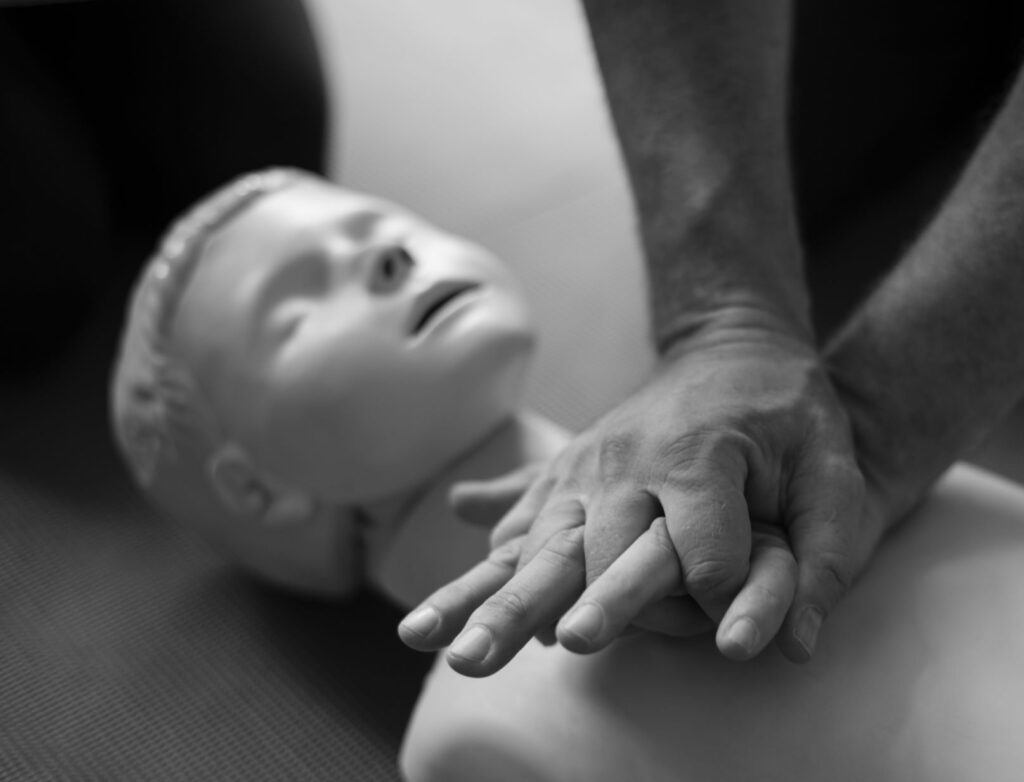
- Place two fingers on the breastbone just listed below the nipple line. Push down set (at the very least 1.5 inches deep). Aim for 30 compressions at a price of 100-120 per minute.
- After 30 compressions, give two mild breaths by covering their mouth and nose with your mouth. Make sure you see their chest rise.
Common Blunders Throughout Baby CPR
Incorrect Compression Depth
One common error is using wrong compression deepness throughout chest compressions-- pressing too superficial will not distribute blood properly while pushing too deep could trigger injuries.
Misjudging Rescue Breath Technique
Parents often blow too vigorously rather than supplying mild breaths, which can result in over-inflation of the lungs.
Supplementary Techniques for Specific Situations
How to Utilize an AED Properly
Knowing exactly how to make use of an AED (Automated External Defibrillator) can match your abilities in executing infant CPR:
Turn on the AED device. Attach pads as instructed (ensure one pad takes place the front while an additional takes place the back). Follow voice prompts up until emergency employees arrive.Dealing with Choking in Infants
If you think choking:
Lay your baby face down along your lower arm supporting their head. Administer 5 back strikes between shoulder blades utilizing heel of hand. If they still do not breathe, transform them over and offer 5 upper body drives making use of 2 fingers.Household Readiness for Emergencies
Creating a Household Emergency Plan
Having a plan guarantees that every member of the family knows what actions to take during emergencies:
- Designate that will certainly call emergency services. Identify somebody in charge of doing first aid/CPR if needed.
Keeping Emergency treatment Products Handy
Maintain an easily accessible first-aid package containing items like gloves, plasters, scissors, disinfectant wipes, etc, along with published instructions for baby rescue procedures.
Advanced Resuscitation Skills
While fundamental abilities are vital, moms and dads may take into consideration pursuing sophisticated training that covers:
- Advanced air passage management Pediatric emergency care Special scenarios like sports-related cardiac arrest or sinking victims
These advanced abilities can greatly enhance your capacity to react efficiently throughout emergency situations including infants.
Frequently Asked Inquiries About Baby CPR
What age must I start discovering baby CPR?
You can begin learning as quickly as you end up being a moms and dad or caregiver! It's never ever too late-- or too early-- to furnish on your own with lifesaving skills.
Is there a distinction between child and adult CPR?
Absolutely! Youngster and adult techniques differ primarily as a result of dimension; nonetheless, foundational principles continue to be continuous throughout all ages.
Can I use adult devices on infants?
No! Adult-sized equipment can create injury; constantly utilize age-specific tools designed explicitly for babies when performing treatments like defibrillation or air passage management.
How frequently needs to I rejuvenate my certification?
Aim for every 2 years at minimum-- keeping present with advancing guidelines guarantees optimum safety practices!
What ought to I do if my youngster does not improve after doing CPR?
Continue up until specialist assistance arrives; nonetheless-- preferably-- look for assistance from anybody nearby while executing compressions/breaths simultaneously!
Are there local resources available for continuous education/training?
Yes! Several community centers offer workshops consistently! Carrying out online searches will yield neighborhood courses specific towards pediatric treatment as well!
Conclusion
Understanding exactly how to execute efficient baby mouth-to-mouth resuscitation is crucial for every parent striving in the direction of safety in emergencies related straight or indirectly influencing their kid's health and wellbeing-- this knowledge encourages you with confidence! Bear in mind constantly practicing these skills along with engagement within continuous education possibilities solidifies proficiency leading towards enhanced preparedness versus unexpected events!

By grasping these methods detailed throughout this guide entitled "Understanding Baby Mouth-to-mouth Resuscitation Techniques: A Parent's Overview To Safety," moms and dads acquire tranquility understanding that they're furnished-- ready-- to act emphatically when secs count most!