Introduction
In the realm of emergency situation medical care, public gain access to defibrillators (PADs) have actually become essential life-saving devices. They are developed to be used by laymans in instances of abrupt heart attack (SCA), linking the void in between the moment a specific collapses and when professional clinical aid arrives. This short article looks into the critical role that public defibrillators play in emergency action scenarios, exploring their capability, effectiveness, and the local CPR training sessions Salisbury relevance of neighborhood participation in emergency situation preparedness.
The Role of Public Defibrillators in Emergency Situation Response
Public defibrillators act as a crucial part of emergency situation action systems. When someone experiences SCA, every 2nd matters. The immediate use of a defibrillator can significantly enhance survival prices. These tools analyze the heart's rhythm and provide an electric shock if needed to restore a regular heartbeat.
Understanding Unexpected Heart Arrest
Sudden heart attack occurs unexpectedly and is frequently brought on by arrhythmias-- uneven heart beats that prevent reliable blood flow. In such instances, quick intervention is vital. Public defibrillators are developed for convenience of use, enabling even those without substantial medical training to run them effectively during emergencies.
How Do Public Defibrillators Work?
Public defibrillators are furnished with voice motivates and visual guidelines that direct customers through the procedure. Upon opening the tool, it automatically evaluates the individual's heart rhythm and establishes whether a shock is required.
Assessment: The gadget assesses the casualty's heart rhythm. Shock Delivery: If needed, it instructs the customer to provide a shock. Post-Shock CPR: After carrying out a shock, individuals are prompted to proceed with mouth-to-mouth resuscitation till emergency services arrive.Basic vs Advanced Life Support
The dispute in between basic life support (BLS) and progressed life support (ALS) is critical when discussing public health initiatives entailing defibrillators. While BLS concentrates on prompt activities like CPR and utilizing a public defibrillator, ALS involves much more intricate interventions carried out by qualified medical care professionals.
- Basic Life Assistance (BLS): This includes monitoring responsiveness, determining no breathing, and preserving calmness while carrying out CPR. Advanced Life Support (ALS): This entails drugs and progressed airway administration techniques used by paramedics or health center staff.
Importance of BLS Certification
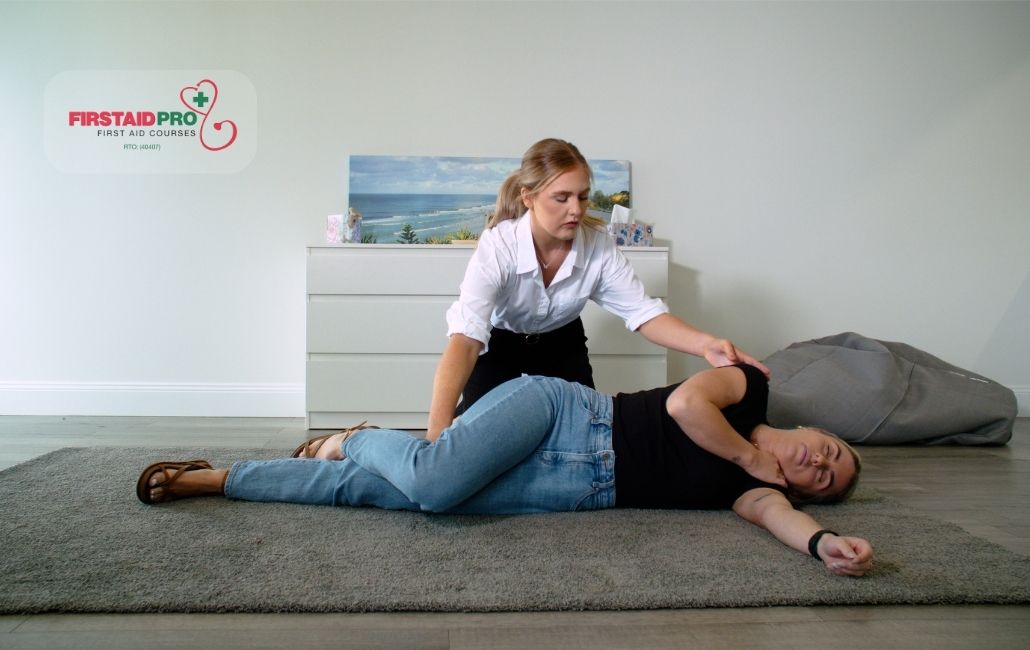
Obtaining a BLS accreditation can encourage individuals within communities to react successfully during emergencies entailing heart attack. Training concentrates on:
- Checking responsiveness Identifying no breathing Taking turns on compressions Using public defibrillators correctly
BLS certification furnishes ordinary rescuers with confidence and understanding to act swiftly when lives are at stake.
Implementing Public Defibrillator Programs
Establishing programs that give accessibility to public defibrillators calls for careful preparation and execution.
Identifying High-Risk Areas for SCA
To take full advantage of impact, communities should identify locations with higher occurrences of cardiac occasions-- such as sporting activities locations, institutions, shopping centers, and work environments-- and strategically area PADs there.
Community Training Initiatives
Training sessions must be organized frequently to instruct neighborhood participants exactly how to inspect responsiveness, recognize no breathing problems, do CPR properly, and utilize public defibrillator gadgets efficiently.
Maintenance Protocols for AEDs
Regular maintenance checks should be implemented for all deployed AEDs to ensure they stay practical. Neighborhood organizations must take responsibility for regular evaluations according to recognized healthcare facility codes and protocols.
Legal Considerations Surrounding Defibrillator Use
Understanding Do-gooder legislations is vital for laypersons that might wait to aid as a result of be afraid of legal consequences. Most territories secure individuals that help in emergencies from liability as long as they act in good faith.
Overcoming Obstacles to Use
Fear or resistance can stop people from utilizing public defibrillators efficiently. Area awareness projects can help reduce concerns about using these gadgets throughout emergencies.

Success Stories: Lives Conserved Via Public Defibrillator Use
Across numerous CPR Training in Salisbury areas worldwide, many stories highlight just how prompt access to public defibrillators has actually conserved lives.
- Case Study 1: A middle-aged guy broke down at a regional health club where an AED was readily offered; thanks to motivate action from gym-goers trained in BLS qualification training courses, he was revived prior to expert aid arrived. Case Research 2: At a crowded sports event, a guest experienced SCA; thanks to nearby spectators familiar with checking casualty's breathing and using the AED effectively, his life was conserved in under 5 minutes.
Challenges Dealing with Public Accessibility Defibrillator Programs
While there are numerous benefits associated with public gain access to defibrillator programs, difficulties do exist:
Funding Shortfalls for Implementation
Securing financing for purchasing and keeping AEDs can prove challenging for several communities. Grant applications or collaborations with local services might assist reduce financial burdens.
Awareness Spaces Among Laypersons
Despite training opportunities being readily available extensively today, lots of people remain unaware of just how essential it is to check responsiveness immediately or identify no breathing problems prior to starting mouth-to-mouth resuscitation or making use of an AED.
Future Instructions for Public Defibrillation Initiatives
As innovation proceeds advancing swiftly within healthcare markets internationally-- renovations might lead towards even more obtainable gadgets along with enhanced training protocols targeted at increasing neighborhood interaction in lifesaving efforts.
Integrating Technology into Training Programs
Virtual reality simulations could be made use of within area training programs; making it possible for individuals to exercise situations connected straight back towards real-life cases they may deal with when reacting during emergencies entailing cardiac arrests.
Expanding Device Access Globally
As initiatives push ahead towards more comprehensive growths concerning PAD availability-- the hope remains alive that a person day each family will certainly have its own personal computerized exterior defibrillator (AED).
FAQs Concerning Public Defibrillators
Q1: What is a public access defibrillator?
A: A PAD is an automatic outside defibrillator (AED) put in accessible locations so laymans can use it during emergencies entailing unexpected cardiac arrest.
Q2: Just how effective are public accessibility defibrillators?
A: Studies show that making use of an AED within three minutes greatly increases survival prices from unexpected cardiac arrest contrasted to awaiting emergency situation services alone.
Q3: Can anyone use a public defibrillator?

Q4: Do I need unique training prior to using one?
A: While not compulsory neither legitimately called for-- training courses like BLS certification gear up individuals much better prepare themselves emotionally & & literally when faced with high-stress circumstances calling for fast decision-making abilities together with correct strategies involved while administering CPR/AED usage accurately!
Q5: Are there any type of threats related to utilizing an AED?
A: There are marginal dangers entailed when running these tools appropriately-- they're especially engineered not deliver shocks unless required based upon analyzed rhythms discovered throughout analysis phases conducted beforehand!
Q6: Where ought to I find a neighboring public accessibility defibulator?
A: Several cities preserve on the internet data sources indicating locations where these lifesaving tools live-- contact regional EMS firms or search federal government websites dedicated appropriate info relating area-specific placements!
Conclusion
Public defibrillators stand for an important lifeline in emergency reaction situations involving sudden cardiac arrest. Their existence improves survival potential customers significantly when combined with suitable basic life support measures undertaken by neighborhood participants outfitted via training initiatives like BLS qualification courses focused around inspecting responsiveness while identifying no breathing problems amongst casualties ran into throughout various settings daily! As culture continues advancing towards greater understanding bordering importance surrounding these gadgets-- initiatives should persistently aim toward enhancing availability along with increasing academic outreach programs! With each other we can make strides making certain every person has needed abilities required with confidence act throughout times dilemma saving many lives along way!